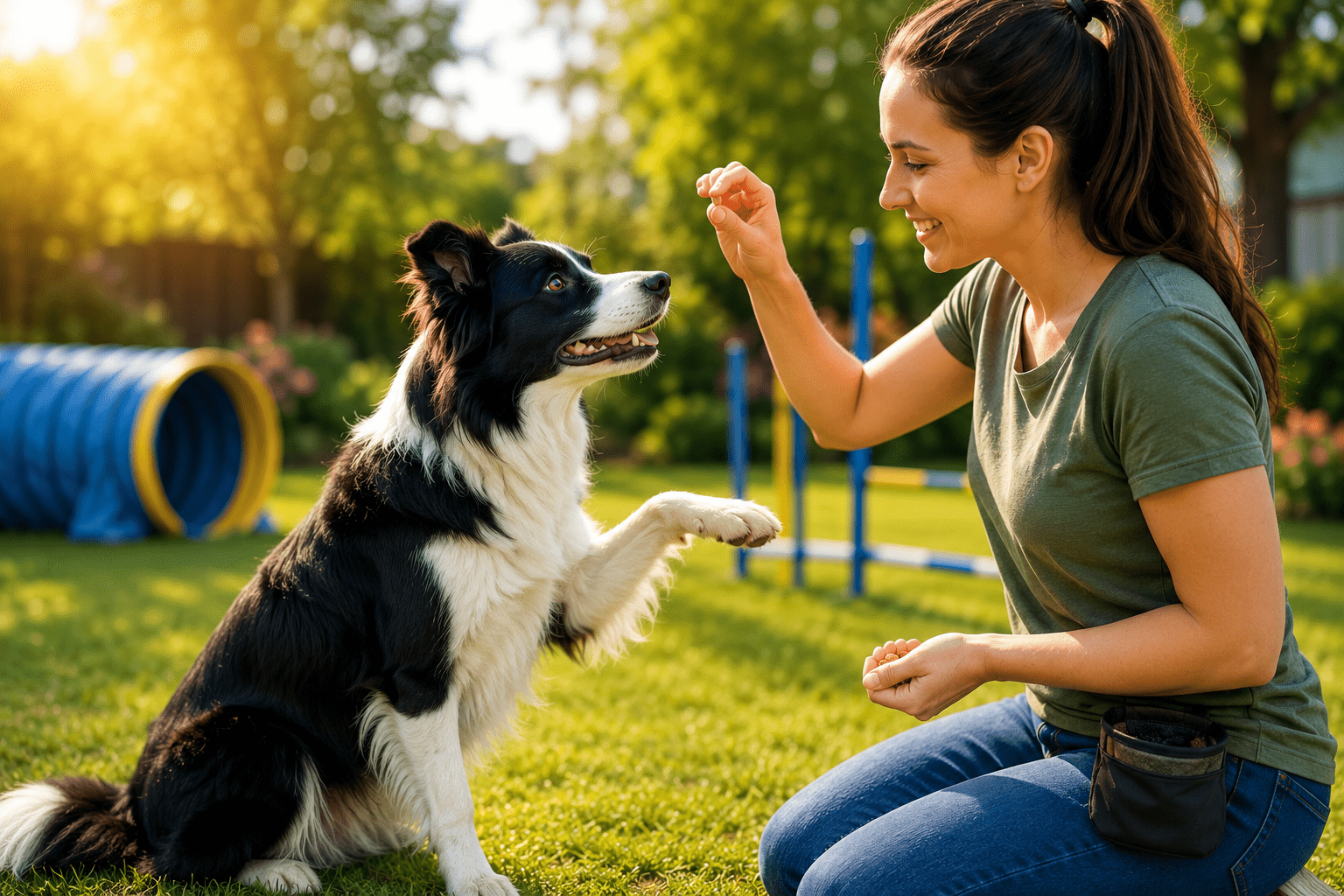
Training a dog successfully requires patience, consistency, and the right communication methods. Many dog owners struggle with traditional techniques that rely too heavily on corrections or repetitive commands. This is one reason why free shaping dog training has become increasingly popular among professional trainers and modern pet owners. The method encourages dogs to think independently, solve problems, and actively participate in the learning process.
Unlike force-based training systems, free shaping dog training focuses on rewarding small behaviors that gradually lead to a desired action. Instead of physically guiding the dog into position, owners wait for natural behaviors and reward progress step by step. This creates a more positive learning environment while helping dogs develop confidence and stronger problem-solving abilities.
Dogs naturally enjoy mental challenges when training feels rewarding rather than stressful. Many behavioral problems develop because dogs become bored, frustrated, or mentally under-stimulated. Training methods that stimulate the brain can help reduce unwanted behaviors such as barking, chewing, jumping, or hyperactivity. This is why many trainers consider free shaping dog training an excellent option for improving obedience while strengthening the bond between dogs and owners.
Another advantage of this method is flexibility. Dogs of different ages, breeds, and personalities can benefit from brain-based learning exercises. Whether you are training a playful puppy or helping an older dog gain confidence, shaping techniques encourage learning through curiosity and positive reinforcement instead of fear or intimidation.
How Free Shaping Dog Training Works
The foundation of free shaping dog training is rewarding gradual progress toward a target behavior. Trainers usually use treats, clickers, praise, or toys to reinforce actions they want the dog to repeat. The dog learns by experimenting and discovering which behaviors earn rewards. Over time, these small rewarded actions build into complete behaviors or tricks.
For example, if the goal is teaching a dog to step onto a platform, the owner may first reward the dog simply for looking at the platform. Later, rewards are given for moving closer, touching it, and eventually stepping fully onto it. This process encourages independent thinking while making training sessions more interactive and enjoyable.
One reason free shaping dog training is effective is because dogs become mentally engaged throughout the learning process. Instead of passively following physical instructions, dogs actively try different actions to earn rewards. This increases focus, enthusiasm, and confidence during training sessions. Many intelligent breeds respond especially well to this kind of mental stimulation.
The method also reduces frustration for many dogs. Some animals become anxious or resistant when physically manipulated into positions repeatedly. Shaping allows dogs to learn at their own pace while building trust with their owners. Positive experiences during training often lead to better emotional stability and stronger communication overall.
Benefits of Using Brain-Based Dog Training Methods
Mental exercise is just as important as physical activity for dogs. Many owners focus heavily on walks and exercise but overlook the importance of cognitive stimulation. Free shaping dog training helps challenge a dog’s brain while encouraging patience, concentration, and problem-solving skills. Dogs that stay mentally active are often calmer and easier to manage at home.
Another major benefit is improved confidence. Nervous or shy dogs frequently gain confidence when they successfully complete shaping exercises. Because the method rewards experimentation rather than perfection, dogs become less afraid of making mistakes. This can help reduce anxiety and improve overall behavior in unfamiliar environments.
Many trainers also use free shaping dog training to improve communication between owners and dogs. Dogs begin paying closer attention to subtle cues, timing, and body language. Owners learn to observe behaviors more carefully and reward the right moments consistently. This creates a more cooperative relationship instead of one based purely on commands and corrections.
Brain-based training can also help reduce common behavior problems naturally. Dogs that receive regular mental stimulation often show fewer signs of boredom-related behaviors like destructive chewing, excessive barking, digging, or jumping. Engaging the mind gives dogs a productive outlet for energy and curiosity while promoting healthier daily routines.
Common Mistakes Owners Make During Shaping Training
Although free shaping dog training is highly effective, beginners sometimes make mistakes that slow progress. One common problem is rewarding too late. Timing is extremely important because dogs need clear feedback to understand which behavior earned the reward. Delayed rewards can confuse the learning process and make training less effective.
Another mistake is progressing too quickly. Some owners expect dogs to master behaviors immediately without rewarding smaller steps along the way. Shaping works best when training is broken into tiny achievable stages. Rewarding gradual improvements helps dogs stay motivated and prevents frustration during lessons.
Long training sessions can also reduce success. Dogs generally learn better through short and focused practice sessions. Five to ten minutes of concentrated learning is often more productive than lengthy repetitive training. Ending sessions while the dog is still interested helps maintain excitement for future learning opportunities.
Some owners accidentally create frustration by repeating commands too often or showing visible disappointment. Free shaping dog training relies heavily on patience and encouragement. Dogs learn through exploration, so mistakes are part of the process. Positive reinforcement and calm guidance help dogs remain confident and eager to continue learning.
Why Positive Reinforcement Creates Better Long-Term Results
Modern dog training experts increasingly recommend reward-based methods because they create healthier emotional responses in dogs. Free shaping dog training encourages dogs to associate learning with positive experiences rather than fear or pressure. This often leads to stronger obedience and more reliable behavior over time.
Dogs trained through positive reinforcement usually become more willing participants during sessions. Instead of obeying out of fear of correction, they actively engage because training feels rewarding and mentally stimulating. This creates a happier learning environment and helps strengthen trust between dogs and owners.
Another important advantage is adaptability. Positive methods can be used for obedience, trick training, confidence building, and behavior modification. Whether teaching impulse control, reducing reactivity, or improving focus, shaping exercises help dogs learn new habits gradually and naturally. This makes the method suitable for many different training goals.
Consistency remains the key to success. Even the best free shaping dog training techniques require patience and regular practice. Small daily improvements eventually create major behavioral changes. Owners who stay calm, reward progress, and keep sessions enjoyable often see impressive long-term results in obedience, confidence, and communication with their dogs.
Take Your Free Shaping Dog Training to the Next Level
Once your dog starts understanding the basics of free shaping dog training, you may notice major improvements in focus, confidence, and obedience. Dogs that learn through problem-solving and positive reinforcement often become more engaged during training sessions and more responsive in daily life. This is because mental stimulation encourages dogs to think independently while building stronger communication with their owners.
Many professional trainers believe that brain-based activities can dramatically improve learning speed and reduce unwanted behaviors naturally. Instead of relying on punishment or repetitive corrections, mentally engaging exercises help dogs stay calm, focused, and motivated to learn. This approach is especially effective for dogs that struggle with barking, hyperactivity, chewing, leash pulling, or poor impulse control.
Interactive games and structured mental exercises can also make training more enjoyable for both dogs and owners. Activities that challenge your dog’s intelligence help prevent boredom while strengthening patience, confidence, and emotional balance. Over time, these small daily exercises can create lasting improvements in obedience and overall behavior.
If you want to explore a complete brain-based dog training system that combines positive reinforcement, mental stimulation, and step-by-step training games, you can check out the resource below.