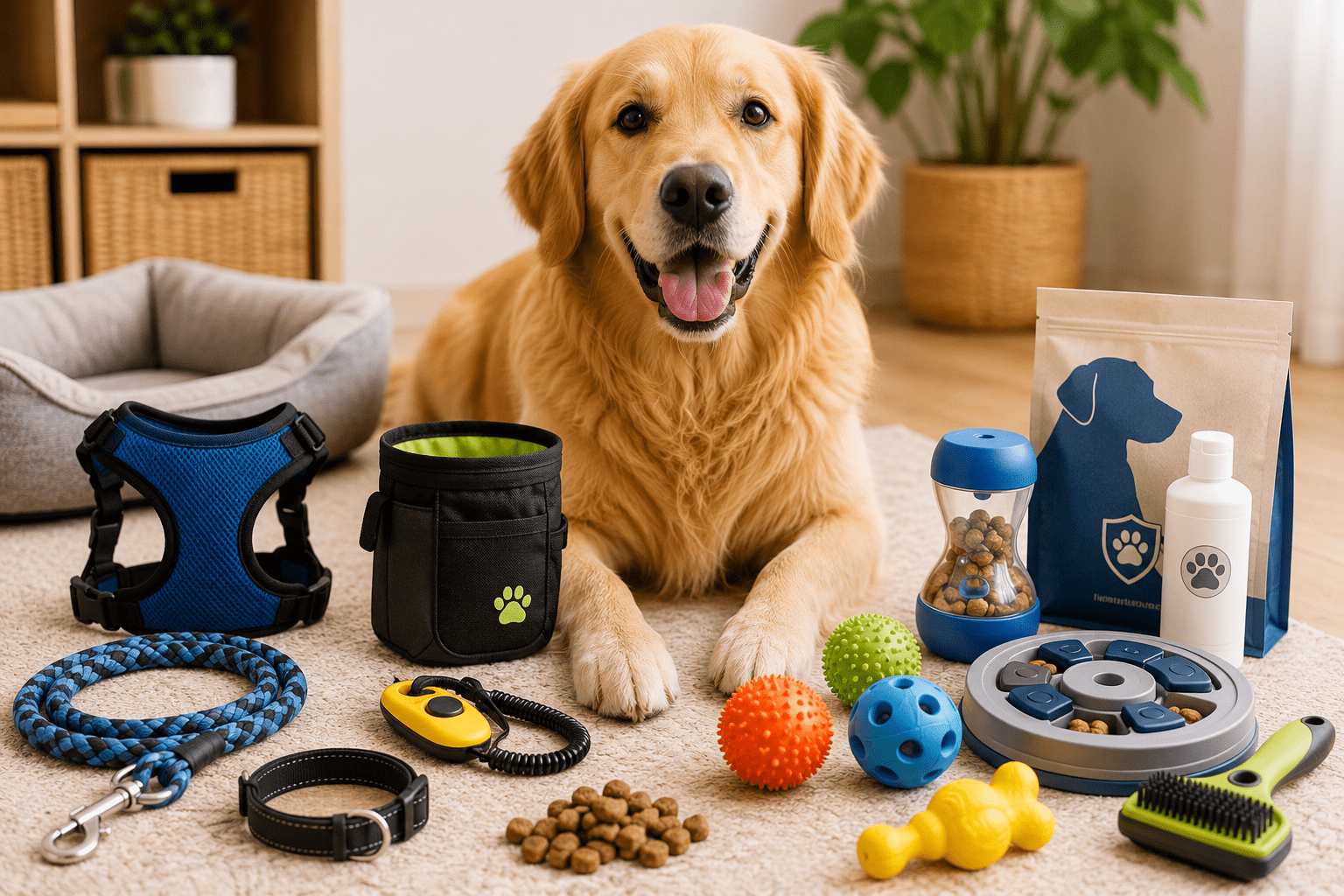
Training a dog successfully requires more than basic commands and occasional treats. Modern pet owners are now paying closer attention to the importance of choosing the right dog training and care products to improve obedience, behavior, safety, and overall well-being. From training tools and enrichment toys to grooming supplies and calming aids, the right products can make daily routines easier while helping dogs stay mentally and physically healthy.
Many behavioral problems begin when dogs lack structure, stimulation, or proper care. Excessive barking, leash pulling, chewing, anxiety, and destructive behavior often become worse when owners rely only on correction instead of guidance and mental engagement. This is why many trainers recommend combining positive reinforcement techniques with carefully selected dog training and care products that encourage calm behavior and better focus.
Modern dog training focuses heavily on force-free methods that build trust instead of fear. Dogs learn more effectively when training feels rewarding, interactive, and mentally stimulating. Products designed for enrichment, focus, and comfort can help dogs stay engaged during training sessions while reducing stress and frustration. This creates a more productive learning environment for both dogs and owners.
Whether you are raising a young puppy or improving the behavior of an older dog, understanding how to use dog training and care products properly can significantly improve long-term results. Training becomes more consistent, communication improves, and dogs often become calmer and easier to manage in everyday situations.
Choosing the Right Products for Training Success
There are countless pet products available today, but not every item supports healthy training habits. The best dog training and care products are designed to encourage communication, confidence, safety, and positive behavior without causing unnecessary stress or discomfort. Choosing the right tools depends on your dog’s personality, age, energy level, and behavioral needs.
Leashes, harnesses, and collars are among the most commonly used training tools. A properly fitted harness can improve control during walks while reducing strain on a dog’s neck. Many trainers prefer front-clip harnesses for dogs that pull excessively because they help redirect movement more safely. Long training leads are also useful for recall practice and outdoor obedience exercises.
Reward-based training products also play an important role in learning. Treat pouches, clickers, and interactive toys help reinforce desired behavior more effectively. Clicker training remains popular because it creates clear communication between owners and dogs. When combined with rewards, these simple dog training and care products help dogs understand commands faster and improve consistency during training sessions.
Interactive feeding tools and puzzle toys are becoming increasingly popular as well. Dogs that lack mental stimulation often develop destructive habits caused by boredom and excess energy. Puzzle feeders encourage problem-solving while slowing down eating habits and improving concentration. These enrichment tools help keep dogs mentally active and emotionally balanced throughout the day.
Safety should always remain a priority when selecting training products. Equipment that relies on fear, pain, or intimidation may increase anxiety and damage trust between dogs and owners. Positive training tools encourage dogs to stay calm, focused, and motivated without creating negative emotional associations.
How Care Products Support Better Dog Behavior
Many owners focus only on obedience tools while overlooking the importance of everyday care. In reality, proper grooming, comfort, nutrition, and mental wellness all influence behavior. The right dog training and care products can improve a dog’s emotional state, making training easier and more effective over time.
Dogs that experience discomfort or stress often struggle with focus and impulse control. Grooming products such as brushes, shampoos, nail trimmers, and dental care supplies help maintain physical comfort and overall health. Dogs that feel healthy and relaxed are often calmer and more responsive during training sessions.
Comfort-related products can also reduce anxiety and overstimulation. Crates, calming beds, chew toys, and safe resting spaces provide security and structure. Many dogs benefit from having a quiet environment where they can relax after exercise or mental activity. Proper rest plays an important role in maintaining emotional balance and reducing hyperactive behavior.
Nutrition-based rewards are another important part of behavior improvement. Healthy training treats motivate dogs while supporting better eating habits. Many trainers recommend using small high-value treats during learning exercises because dogs respond more consistently when rewards are enjoyable and easy to consume quickly. Combining healthy rewards with effective dog training and care products creates a more positive learning experience.
Exercise equipment also contributes to better behavior management. Fetch toys, agility equipment, and interactive games help dogs release physical energy in productive ways. Dogs that receive enough exercise and stimulation are generally less likely to develop destructive habits such as chewing, barking, or digging around the house.
Mental Stimulation and Brain-Based Training
Mental stimulation is one of the most overlooked aspects of dog behavior improvement. Many dogs become frustrated or destructive simply because they are under-stimulated. This is why experienced trainers often recommend dog training and care products that challenge a dog’s intelligence while encouraging patience and focus.
Brain games and enrichment activities help dogs develop problem-solving skills and emotional control. Puzzle toys, scent games, hide-and-seek exercises, and treat-dispensing products encourage dogs to think independently while staying mentally engaged. These activities are especially useful for intelligent or high-energy breeds that require regular mental challenges.
Interactive training sessions also improve communication between dogs and owners. Dogs that participate in mentally stimulating activities often become more attentive and eager to learn. Many modern dog training and care products are specifically designed to encourage focus, self-control, and confidence during training exercises.
Short but consistent training sessions are usually the most effective. Dogs often learn better through regular daily engagement rather than long exhausting sessions. Even a few minutes of structured brain exercises each day can improve obedience and reduce boredom-related behaviors. Over time, mentally stimulated dogs become calmer and easier to manage in different environments.
Confidence-building exercises are equally important. Nervous or anxious dogs may react unpredictably when exposed to unfamiliar situations. Activities that reward curiosity and calm thinking help dogs feel more secure while reducing fear-based reactions. Many trainers believe mentally engaged dogs are safer, more obedient, and emotionally healthier overall.
Building Long-Term Habits With Positive Training
Long-term success depends on consistency, patience, and proper communication. The most effective dog training and care products support routines that encourage healthy behavior patterns rather than quick temporary fixes. Training should focus on building trust and helping dogs understand expectations clearly.
Positive reinforcement remains one of the safest and most reliable approaches to behavior training. Rewarding desired behavior encourages dogs to repeat good habits naturally. Instead of fearing punishment, dogs begin associating training sessions with positive outcomes. This improves confidence while strengthening the bond between dogs and their owners.
Consistency is especially important during training. Dogs become confused when rules constantly change or family members use different commands. Structured routines, repeated practice, and reliable rewards help dogs learn faster and maintain good behavior over time. Proper use of dog training and care products can improve communication while supporting long-term learning.
Patience also plays a major role in behavioral improvement. Some dogs learn quickly, while others require additional time depending on their age, personality, and past experiences. Remaining calm and supportive helps dogs stay motivated while preventing frustration during difficult training stages.
Choosing the Right Dog Training and Care Products for Better Results
Finding the right dog training and care products can make a major difference in your dog’s behavior, confidence, and overall well-being. While many owners focus only on obedience commands, experienced trainers understand that proper tools, mental stimulation, and daily routines all work together to create lasting results. Dogs learn faster and respond better when training feels engaging, rewarding, and consistent.
Many traditional training methods rely too heavily on punishment or repetitive correction. Unfortunately, this approach can create stress, fear, and frustration for both dogs and owners. Modern dog training and care products now focus more on positive reinforcement, interactive learning, and brain stimulation. This helps dogs stay mentally active while improving focus, obedience, and emotional balance.
Interactive games, puzzle activities, reward-based exercises, and structured routines are becoming increasingly popular because they target the root cause of many behavior problems. Dogs that receive enough mental stimulation are often calmer, less destructive, and easier to train in everyday situations. Instead of simply reacting to commands, they learn how to think, focus, and remain engaged during training sessions.
For owners who want a more complete training system, programs that combine brain games, obedience techniques, and force-free learning methods can provide better long-term results. One popular option many dog owners explore is Brain Training For Dogs, which includes interactive exercises designed to improve intelligence, impulse control, focus, and overall behavior through fun and structured activities.