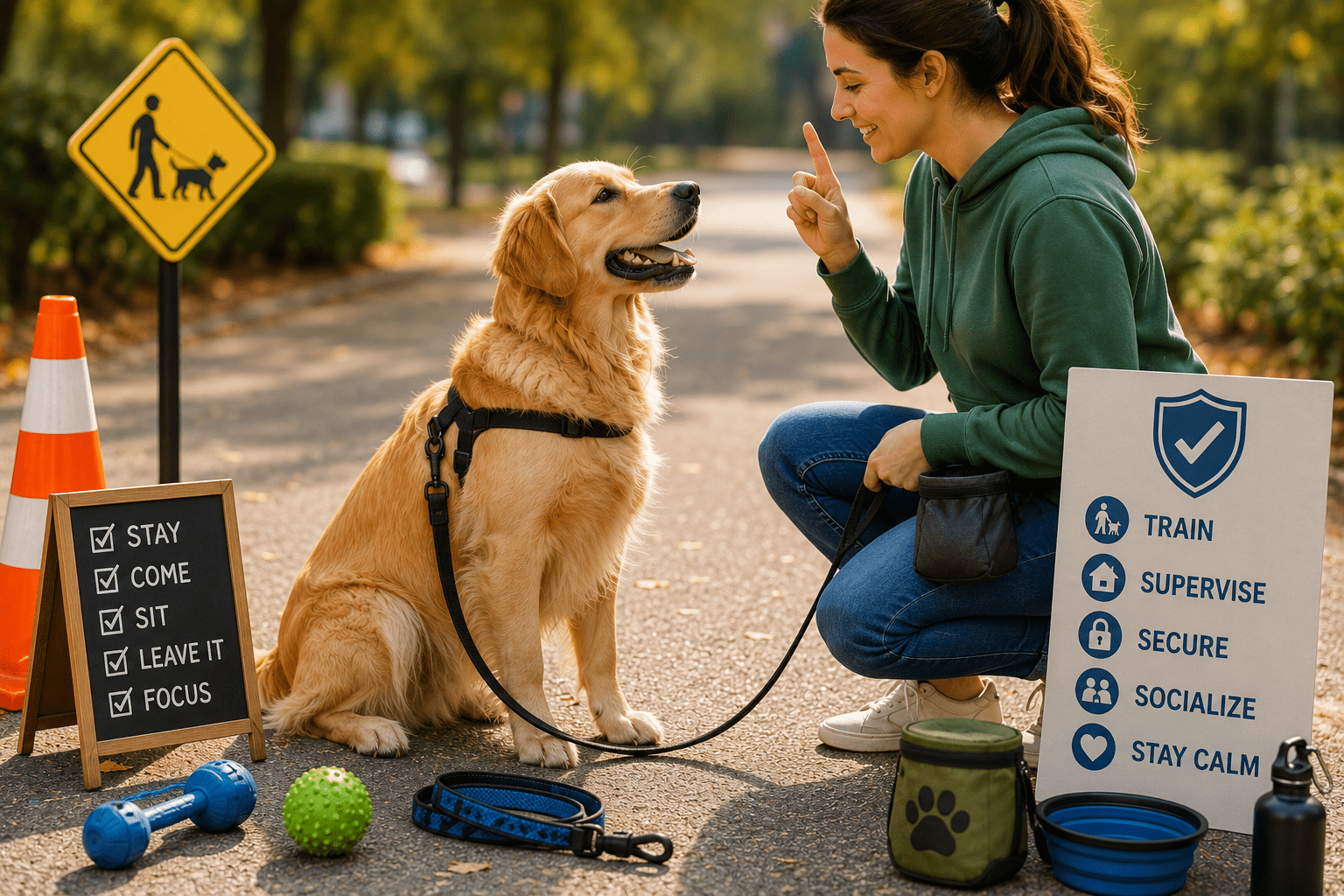
Training a dog is about much more than teaching basic commands. A well-trained dog is safer, calmer, and easier to manage in everyday situations. That is why many pet owners search for effective dog training and safety tips that can help prevent behavioral problems while building a stronger relationship with their dogs. Whether you own a playful puppy or an older rescue dog, proper training combined with safety awareness creates a healthier and more enjoyable environment for everyone.
Many common dog accidents happen because dogs do not fully understand boundaries, commands, or dangerous situations. Dogs that pull on the leash, run away when distracted, or react aggressively around strangers can create stressful and unsafe situations. Following proven dog training and safety tips helps owners reduce these risks while improving obedience and communication.
Modern dog trainers now focus heavily on force-free methods that use positive reinforcement instead of punishment. Dogs respond more effectively when they feel safe, mentally stimulated, and rewarded during training sessions. Positive experiences help dogs gain confidence while reducing anxiety and fear-based behaviors that may lead to unsafe situations.
The good news is that training does not need to be complicated. With consistency, patience, and the right techniques, almost any dog can improve behavior over time. Learning practical dog training and safety tips allows owners to guide their dogs more effectively both at home and in public environments.
Building Safe Habits Through Positive Training
One of the most important dog training and safety tips is to establish clear routines early. Dogs learn best when expectations remain consistent. Teaching simple commands such as sit, stay, come, and leave it creates a strong foundation for controlling behavior during potentially dangerous situations. These commands can prevent dogs from running into traffic, approaching unsafe objects, or reacting impulsively around people or animals.
Positive reinforcement remains one of the safest and most effective training approaches available today. Rewarding desired behavior with praise, treats, or toys encourages dogs to repeat those actions naturally. Instead of fearing punishment, dogs begin associating training sessions with positive outcomes. This creates a calmer learning environment and strengthens trust between dogs and their owners.
Socialization is another critical part of safe dog behavior. Dogs that are properly exposed to different environments, sounds, people, and animals often become more confident and less reactive later in life. Many professional trainers include early socialization as one of the most valuable dog training and safety tips because it helps reduce fear-based aggression and anxiety.
Owners should also pay close attention to their own behavior during training sessions. Dogs easily pick up on frustration, tension, and inconsistency. Calm communication, patience, and repetition help dogs understand expectations more clearly. Training should always feel structured but encouraging so dogs remain motivated and emotionally balanced.
Preventing Common Behavioral Problems Safely
Many owners seek dog training and safety tips because they struggle with unwanted behaviors such as barking, chewing, jumping, or leash pulling. These issues often develop when dogs lack mental stimulation, physical exercise, or proper boundaries. Understanding the root cause of behavior problems is important for creating long-term improvements.
Leash safety is especially important during walks. Dogs that pull aggressively or react to distractions can quickly become difficult to control. Using properly fitted harnesses and practicing loose-leash walking techniques can greatly improve safety for both the dog and owner. Consistent leash training also reduces stress during outdoor activities and public interactions.
Chewing and destructive behavior are also common concerns, especially in young dogs. Puppies naturally explore the world with their mouths, but destructive chewing can become dangerous if dogs access electrical cords, toxic materials, or sharp objects. One of the most practical dog training and safety tips is to provide safe chew toys and supervised play areas while teaching clear boundaries around household items.
Excessive barking may sometimes signal boredom, anxiety, or overstimulation. Punishing barking without understanding the cause usually creates more stress and confusion. Instead, owners should focus on providing exercise, enrichment activities, and mental challenges that reduce frustration. Dogs that receive enough stimulation are often calmer and easier to manage.
Impulse control training also plays a major role in overall safety. Teaching dogs to wait calmly at doors, avoid jumping on guests, and remain focused during distractions helps prevent accidents and improves everyday behavior. Small daily training sessions can gradually build patience and self-control over time.
Why Mental Stimulation Improves Safety and Obedience
Mental stimulation is often overlooked, but it is one of the most effective dog training and safety tips for reducing behavioral problems. Dogs that become bored or under-stimulated may develop destructive habits, hyperactivity, or anxiety. Keeping a dog mentally engaged helps channel energy into productive behavior instead of unwanted actions.
Interactive games and brain exercises are becoming increasingly popular among professional trainers. Puzzle toys, scent games, hide-and-seek activities, and obedience challenges encourage dogs to think independently while remaining focused. Mentally stimulated dogs are often calmer, more attentive, and less reactive in stressful situations.
Many trainers believe intelligence-building exercises can improve learning speed and emotional stability. Dogs that regularly participate in problem-solving activities often develop better impulse control and stronger focus during training sessions. This is why many modern dog training and safety tips now include enrichment exercises as part of a complete behavior program.
Training sessions should remain short but consistent. Long exhausting sessions may overwhelm dogs and reduce motivation. Short daily practice sessions combined with rewards and interactive games usually produce better long-term results. Even a few minutes of focused engagement each day can strengthen obedience and improve communication.
Mental stimulation also helps dogs build confidence. Nervous or fearful dogs may react unpredictably when exposed to unfamiliar situations. Activities that reward calm thinking and curiosity help dogs feel more secure while reducing stress-based behavior problems. Confident dogs are generally easier to train and safer to handle in different environments.
Creating a Long-Term Safe Training Routine
Consistency is one of the most valuable dog training and safety tips any owner can follow. Dogs thrive when routines remain predictable. Feeding schedules, exercise times, training sessions, and household rules should remain as consistent as possible to help dogs understand expectations clearly.
Exercise is equally important for maintaining safe behavior. Dogs with excess energy may become restless, reactive, or difficult to control. Daily walks, structured playtime, and mentally engaging activities help release energy in healthy ways. Balanced exercise improves mood, focus, and overall obedience during training.
Owners should also create a safe home environment that supports good habits. Securing dangerous objects, supervising new experiences, and introducing training gradually helps prevent accidents and reduces unnecessary stress. Dogs learn more effectively when they feel secure in their environment and trust their owners for guidance.
Patience is essential during the training process. Every dog learns at a different pace depending on age, personality, past experiences, and energy level. Some behaviors improve quickly while others may require weeks or months of consistent practice. Remaining calm and supportive helps dogs stay motivated while preventing setbacks caused by fear or frustration.
A Smarter and Safer Way to Train Your Dog
Following the right dog training and safety tips can completely change the way your dog behaves at home and in public. While basic obedience commands are important, many owners discover that long-term success comes from combining positive reinforcement with mental stimulation and structured learning activities. Dogs that stay mentally engaged are often calmer, more focused, and less likely to develop destructive or unsafe behaviors.
Modern trainers now recommend brain-based training methods that improve both obedience and emotional balance. Interactive games, focus exercises, and reward-based learning can help reduce common issues such as excessive barking, leash pulling, chewing, jumping, anxiety, and poor impulse control. Instead of relying on punishment or outdated dominance techniques, dogs learn to think calmly and respond confidently in different situations.
Mental enrichment also plays a major role in improving safety. Dogs that regularly participate in problem-solving activities often become more attentive and easier to manage around distractions. Structured brain games encourage patience, self-control, and better communication between dogs and their owners. This creates a stronger bond while making daily training sessions more productive and enjoyable.
If you are looking for a complete system that combines brain games, force-free methods, and practical obedience training, the Brain Training For Dogs program has become a popular choice among dog owners who want safer behavior, better focus, and faster long-term results.