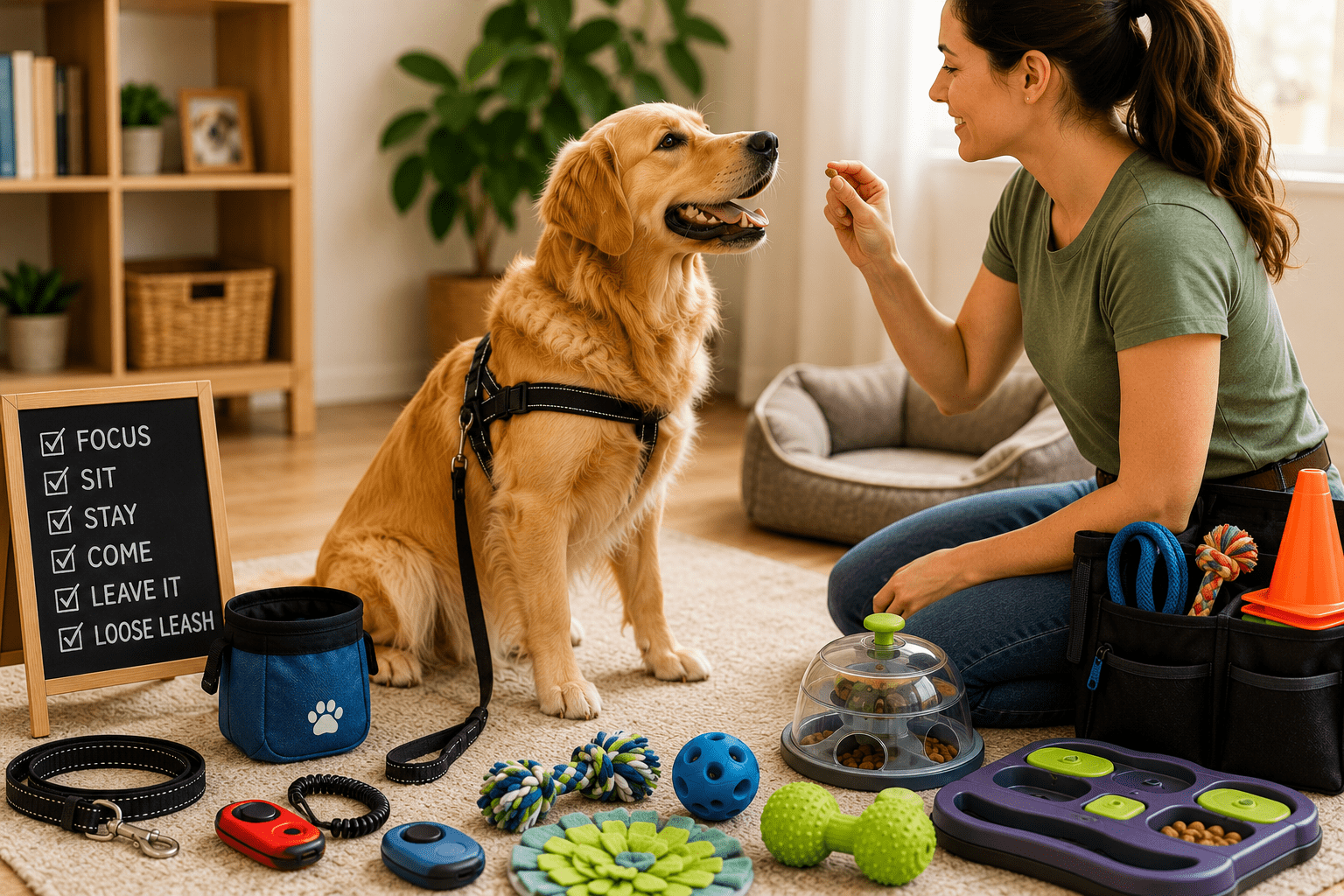
Training a dog successfully requires more than simple commands and occasional rewards. Modern pet owners are now paying closer attention to effective dog training tools and techniques that improve obedience, behavior, focus, and emotional balance. Whether you are raising a playful puppy or working with an older rescue dog, the right approach can dramatically improve communication between you and your pet.
Many behavior problems begin because dogs lack structure, mental stimulation, or clear guidance. Excessive barking, leash pulling, jumping, chewing, and anxiety often become worse when owners rely only on punishment instead of teaching alternative behaviors. This is why professional trainers recommend combining positive reinforcement with carefully selected dog training tools and techniques that encourage calmness, confidence, and focus.
Today’s force-free training methods focus on creating trust rather than fear. Dogs learn faster when training sessions feel engaging, rewarding, and mentally stimulating. Instead of correcting every mistake, modern training teaches dogs how to make better choices through consistency and encouragement. This creates a healthier learning environment while strengthening the bond between dogs and owners.
Understanding how to apply dog training tools and techniques properly can make daily life easier and less stressful. Dogs that receive consistent guidance and mental enrichment are often more obedient, emotionally stable, and easier to manage in different situations.
Understanding the Most Effective Dog Training Tools and Techniques
One of the most important parts of successful training is choosing tools that support positive learning. The best dog training tools and techniques help dogs understand expectations clearly without creating fear or confusion. Every dog has a different personality, energy level, and learning style, so selecting the right tools matters.
Leashes, harnesses, and long leads are among the most common training essentials. A properly fitted front-clip harness can reduce pulling while improving control during walks. Long training leads are useful for recall practice because they allow dogs to explore safely while still responding to commands. These simple dog training tools and techniques help owners teach better leash manners without harsh corrections.
Reward-based tools also play a major role in behavior development. Treat pouches, clickers, and interactive toys help reinforce desired behavior quickly and consistently. Clicker training remains popular because it creates clear communication between dogs and owners. When paired with rewards, these dog training tools and techniques can improve learning speed and increase motivation during training sessions.
Mental enrichment tools are becoming increasingly popular as well. Puzzle feeders, sniff mats, and treat-dispensing toys encourage problem-solving while reducing boredom. Dogs that lack mental stimulation often develop destructive habits because they have excess energy and frustration. Interactive enrichment activities help keep dogs mentally engaged and emotionally balanced throughout the day.
Why Positive Reinforcement Produces Better Results
Modern trainers strongly support positive reinforcement because it creates lasting behavior changes without damaging trust. Unlike outdated dominance-based methods, reward-focused dog training tools and techniques teach dogs what they should do instead of punishing mistakes repeatedly.
Dogs naturally repeat behaviors that lead to positive outcomes. When owners reward calm behavior, focus, or obedience, dogs become more eager to learn. Training sessions feel enjoyable rather than stressful, which improves consistency and long-term success. Positive reinforcement also reduces anxiety and defensive reactions that may appear with punishment-based methods.
Consistency is another important factor in successful training. Dogs become confused when rules constantly change or when different family members use different commands. Structured routines and repeated practice help dogs understand expectations more clearly. Using the same dog training tools and techniques daily allows dogs to build confidence while learning faster over time.
Patience also plays a critical role in behavior improvement. Some dogs learn commands quickly, while others require more repetition depending on age, breed, or past experiences. Remaining calm and supportive helps dogs stay motivated during difficult training stages. Owners who focus on encouragement rather than frustration usually see better long-term progress.
Positive reinforcement is especially effective for common problems such as barking, jumping, leash pulling, and impulse control. Instead of relying on intimidation, trainers guide dogs toward better behaviors using rewards, focus exercises, and mental stimulation. This approach creates happier dogs and stronger relationships.
Mental Stimulation and Brain-Based Training Methods
One of the most overlooked aspects of dog behavior is mental exercise. Many dogs become hyperactive, destructive, or reactive simply because they are mentally under-stimulated. Experienced trainers often recommend brain games and enrichment-focused dog training tools and techniques to improve focus and emotional control.
Mental stimulation helps dogs use their natural problem-solving abilities. Activities such as hide-and-seek games, scent work, puzzle toys, and interactive exercises challenge dogs to think independently while remaining calm and engaged. These exercises are especially useful for intelligent or high-energy breeds that require regular mental challenges.
Brain-based training methods also improve communication between dogs and owners. Dogs that participate in interactive learning sessions often become more attentive and responsive. Many modern dog training tools and techniques are specifically designed to increase concentration, patience, and confidence through short but engaging activities.
Short daily training sessions are usually more effective than long exhausting routines. Even a few minutes of structured mental exercise each day can improve obedience and reduce boredom-related behavior problems. Over time, mentally stimulated dogs become calmer and easier to manage in different environments.
Confidence-building activities are equally important for nervous or anxious dogs. Exercises that reward curiosity and calm thinking help dogs feel more secure in unfamiliar situations. Many trainers believe mentally engaged dogs are not only more obedient but also emotionally healthier and safer around people and other animals.
Building Long-Term Success With Modern Training Approaches
Long-term success depends on consistency, trust, and proper communication. The most effective dog training tools and techniques focus on creating healthy habits rather than temporary solutions. Dogs that understand expectations clearly are more likely to behave calmly and confidently in everyday situations.
Exercise remains an important part of behavior management. Dogs that do not receive enough physical activity often develop frustration and destructive habits. Interactive fetch toys, agility exercises, and structured walks help release energy in productive ways. Combining physical exercise with mental stimulation creates a balanced routine that supports better behavior overall.
Owners should also remember that emotional health influences training success. Dogs that feel stressed, overwhelmed, or anxious may struggle with focus and impulse control. Comfortable resting spaces, calming routines, and predictable schedules help dogs feel secure. When emotional needs are supported, training becomes more effective and enjoyable.
Modern training approaches now emphasize force-free learning because they strengthen the relationship between dogs and owners. Rather than relying on punishment, these methods encourage cooperation and understanding. Dogs become more willing to listen because they associate training with positive experiences instead of fear or confusion.
Improve Your Dog’s Behavior Through Mental Stimulation
Many traditional training methods focus only on correcting bad behavior, but modern trainers now understand that mental stimulation plays an equally important role in obedience and emotional balance. Dogs that feel bored or under-stimulated often develop problems such as barking, chewing, leash pulling, hyperactivity, or ignoring commands. This is why many experts recommend combining positive reinforcement with brain-based activities that keep dogs mentally engaged.
Interactive games and structured exercises can help dogs improve focus, patience, confidence, and impulse control while making training sessions more enjoyable. Instead of relying on force or punishment, mentally stimulating activities encourage dogs to think, solve problems, and respond calmly in different situations. Over time, this approach can strengthen communication and create a better relationship between dogs and owners.
Programs that focus on brain training are becoming increasingly popular because they target the root cause of many common behavior issues. By improving a dog’s ability to focus and learn, owners often notice faster progress with obedience and overall behavior. Many dog owners also find that mentally stimulated dogs become calmer, happier, and easier to manage in everyday life.
The following program introduces interactive brain games and force-free exercises designed to improve intelligence, obedience, and behavior through fun daily activities.