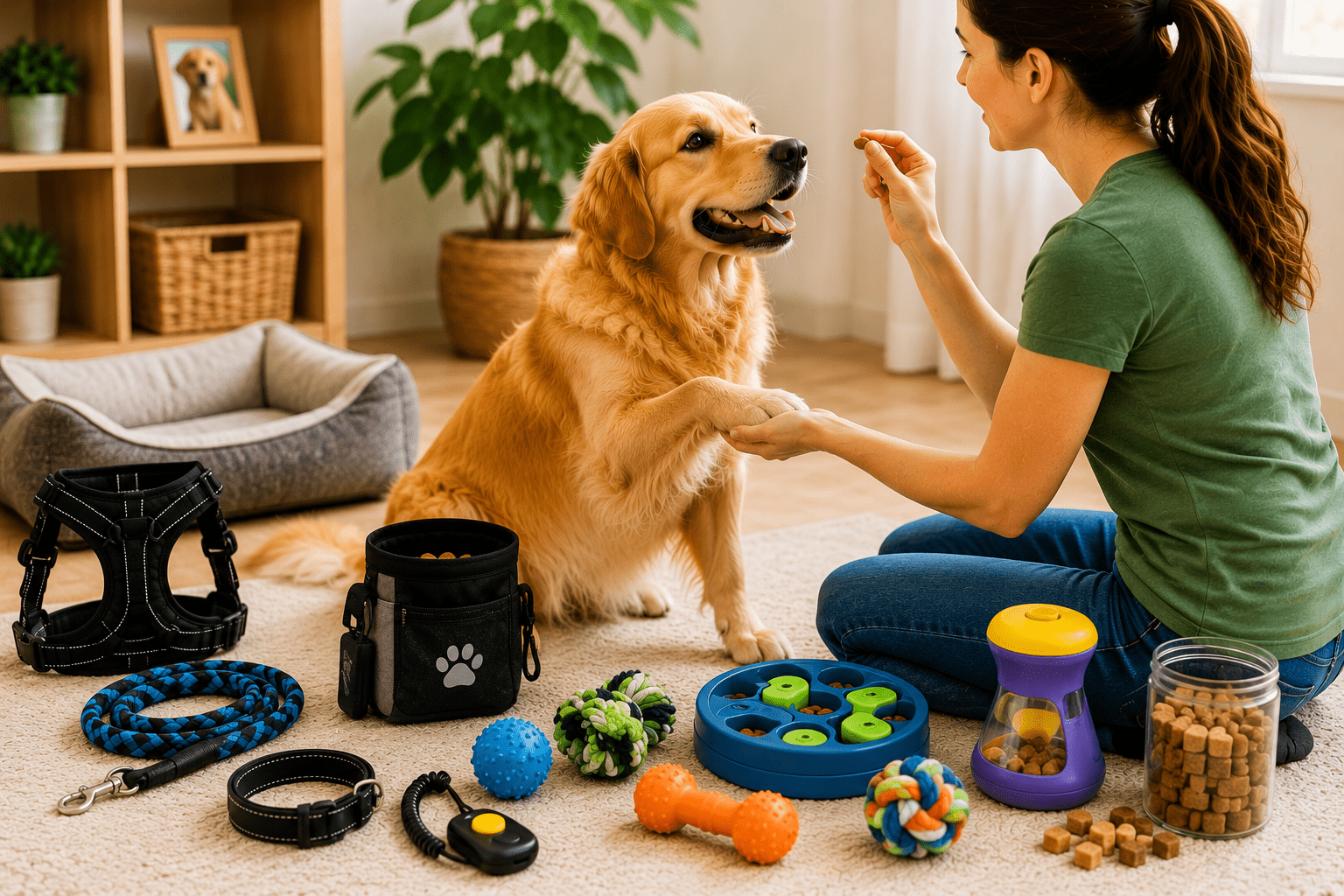
Training a dog successfully requires patience, consistency, and the right approach. One of the most important factors in modern dog training is using effective dog training tools and treats that encourage positive behavior and improve communication between dogs and their owners. From reward-based treats to interactive training tools, the right equipment can make the learning process easier, faster, and more enjoyable.
Many dog owners struggle with common behavioral issues such as barking, leash pulling, chewing, jumping, or ignoring commands. In many cases, these problems become worse when owners rely on punishment or inconsistent training methods. Positive reinforcement combined with proper dog training tools and treats creates a more productive environment where dogs feel motivated to learn.
Modern dog trainers often recommend force-free methods that focus on building trust instead of fear. Dogs respond better when training sessions are rewarding and mentally stimulating. Treats, puzzle toys, clickers, and enrichment activities all help reinforce good behavior while keeping dogs engaged and focused during training.
Whether you are training a young puppy or correcting unwanted behavior in an older dog, choosing the right dog training tools and treats can significantly improve results. The goal is not only to teach obedience but also to strengthen the bond between dogs and their owners through positive experiences.
Choosing the Right Dog Training Tools
There are many types of training equipment available today, but not all tools are equally effective. The best dog training tools and treats are designed to encourage calm behavior, focus, and communication without causing stress or discomfort. Choosing the right tools depends on your dog’s personality, energy level, and training goals.
Leashes and harnesses are among the most commonly used training tools. A well-fitted harness can reduce pulling and improve control during walks without placing unnecessary pressure on a dog’s neck. Long training leads are also useful for recall practice because they allow dogs to move freely while remaining safely supervised.
Clickers are another popular training tool used in positive reinforcement methods. A clicker creates a clear sound that marks the exact moment a dog performs the desired behavior. When combined with rewards, clicker training helps dogs learn commands more quickly and accurately. Many professional trainers include clickers as part of their recommended dog training tools and treats because they improve timing and consistency during sessions.
Interactive toys and puzzle feeders are also valuable for behavior management. Dogs that lack mental stimulation often become bored and destructive. Puzzle games encourage problem-solving and reduce excess energy by keeping dogs mentally engaged. These enrichment tools are especially helpful for intelligent breeds that require regular cognitive challenges.
Training tools should always support a positive learning experience. Equipment that relies on fear, pain, or intimidation may increase anxiety and damage trust between dogs and owners. Modern training focuses on communication, patience, and motivation rather than punishment.
Why Treats Play a Major Role in Dog Training
Treats are one of the most effective rewards used in modern dog training. High-value rewards motivate dogs to repeat good behavior and help create positive associations during learning sessions. Using the right dog training tools and treats allows owners to reinforce obedience while keeping training enjoyable and engaging.
Dogs naturally repeat behaviors that lead to rewards. For example, when a dog receives a treat for sitting calmly or coming when called, the dog begins to understand which actions produce positive outcomes. Over time, these repeated rewards help build consistent habits and improve overall obedience.
Not all treats are equally effective during training. Small, soft treats that are easy to chew quickly usually work best because they allow training sessions to continue smoothly without distractions. Many trainers prefer high-value treats such as small pieces of chicken, cheese, or specially designed training snacks for difficult tasks or highly distracting environments.
Timing is also important when using rewards. Treats should be given immediately after the desired behavior occurs so the dog clearly connects the reward with the action. Delayed rewards may confuse the dog and slow the learning process. This is why experienced trainers carefully combine dog training tools and treats to improve communication and consistency.
Treat-based training can also strengthen emotional bonds. Dogs that associate training with rewards and encouragement often become more confident and eager to participate. Instead of fearing correction, they begin viewing training sessions as positive opportunities for interaction and mental stimulation.
Mental Stimulation Through Interactive Training
Mental stimulation is an essential part of a healthy training routine. Many behavioral issues develop because dogs are under-stimulated and unable to release their mental energy in productive ways. Modern dog training tools and treats often include interactive activities that challenge a dog’s intelligence while improving focus and impulse control.
Brain games are becoming increasingly popular among dog owners because they combine learning with entertainment. Puzzle toys, scent games, and hide-and-seek activities encourage dogs to think independently while remaining engaged with their environment. These activities are especially useful for reducing boredom-related behaviors such as chewing, barking, or digging.
Interactive feeding tools also provide mental enrichment during mealtime. Slow feeders, treat-dispensing toys, and snuffle mats encourage dogs to work for their food instead of eating too quickly. These simple activities can improve concentration and reduce stress while adding excitement to a dog’s daily routine.
Many trainers believe mentally stimulated dogs are easier to train because they become more attentive and less reactive. Activities that require patience, focus, and problem-solving help dogs develop self-control over time. Combining enrichment exercises with dog training tools and treats creates a balanced training approach that supports both mental and behavioral development.
Short but consistent training sessions are often the most effective. Dogs typically learn better through regular daily practice rather than long exhausting sessions. Even a few minutes of focused engagement each day can improve behavior and strengthen the relationship between dogs and their owners.
Building Better Behavior With Positive Training Methods
Successful training is not only about teaching commands but also about building trust and communication. Modern dog training tools and treats support positive reinforcement techniques that encourage dogs to learn willingly instead of responding out of fear. This approach creates more reliable long-term behavioral improvements.
Positive reinforcement training focuses on rewarding behaviors owners want to encourage. Instead of punishing mistakes, trainers redirect unwanted behavior and reward better choices. Dogs learn faster when they feel safe, relaxed, and motivated during training sessions.
Consistency is one of the most important factors in behavioral success. Dogs become confused when rules constantly change or family members use different commands. Consistent routines, rewards, and expectations help dogs understand what behaviors are encouraged. Reliable use of dog training tools and treats also improves communication and strengthens learning patterns over time.
Patience is equally important, especially when working with stubborn or anxious dogs. Some behaviors may take weeks or months to improve depending on the dog’s personality and past experiences. Owners who remain calm and supportive usually achieve better long-term results than those who become frustrated or impatient.
A Smarter Approach to Dog Training Success
Finding the right dog training tools and treats can make a huge difference in your dog’s learning experience. While basic equipment and rewards are important, many dog owners discover that mental stimulation and structured brain exercises are the missing pieces behind long-term behavioral improvement.
Dogs learn faster when training feels engaging, rewarding, and mentally challenging. Interactive games, focus exercises, and positive reinforcement techniques can help reduce common behavior problems such as barking, chewing, leash pulling, jumping, and poor obedience. Instead of relying on punishment, modern training methods encourage dogs to think, stay calm, and respond confidently.
Many professional trainers now recommend combining reward-based learning with brain training activities to improve obedience and strengthen communication between dogs and their owners. Mentally stimulated dogs are often easier to train, more attentive, and less likely to develop destructive habits caused by boredom or frustration.
If you are looking for a complete step-by-step system that combines brain games, positive reinforcement, and force-free training methods, the Brain Training For Dogs program has become a popular solution for dog owners who want faster and more reliable training results.