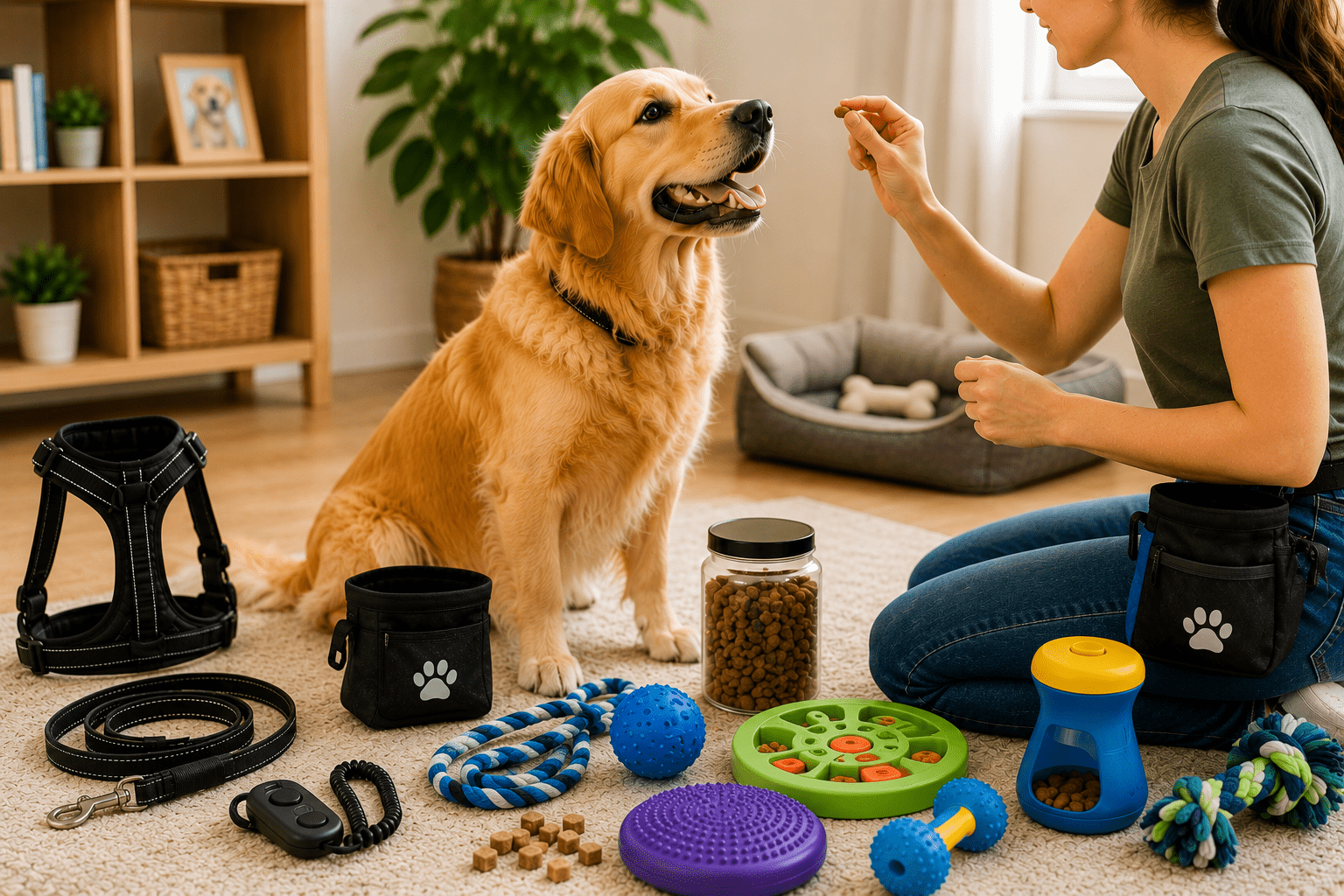
Training a dog takes more than patience and repetition. The right methods, combined with the proper equipment, can make learning easier, faster, and more enjoyable for both dogs and owners. Many people struggle with barking, leash pulling, jumping, chewing, or poor obedience simply because they are not using effective training systems. Choosing the right training tools for dogs can completely change how your dog responds to commands and daily routines.
Modern dog training focuses on communication, mental stimulation, and positive reinforcement rather than punishment. Dogs learn best when they feel engaged and motivated. The best results often come from combining practical equipment with brain-based exercises that encourage focus and confidence. Whether you have a young puppy or an older dog with stubborn habits, understanding which tools work best can help you create long-term behavioral improvements.
Many professional trainers now recommend force-free approaches that develop a dog’s intelligence while strengthening the bond between owner and pet. Instead of relying on harsh corrections, successful dog owners use training tools for dogs that encourage learning through rewards, games, and structured interaction. This approach not only improves obedience but also reduces stress and frustration inside the home.
The good news is that you do not need expensive equipment or complicated routines to begin. Some of the most effective tools are simple, affordable, and easy to use consistently every day. When paired with mental stimulation and proper guidance, these tools can help transform difficult behavior into calm, reliable obedience.
Why the Right Training Tools Matter
Many dog owners believe bad behavior comes from stubbornness, but the real issue is often lack of communication and mental engagement. Dogs become frustrated, anxious, or overly excited when they do not understand what is expected of them. This is why experienced trainers emphasize using the correct training tools for dogs instead of depending on punishment or dominance methods.
Leashes, clickers, treat pouches, target sticks, and puzzle games all serve different purposes during training. Some tools improve focus, while others help reinforce desired behaviors quickly. A clicker, for example, creates precise timing between action and reward, making it easier for dogs to understand commands. Interactive toys and brain games help reduce boredom, which is often the root cause of destructive behavior.
Using proper equipment also creates consistency. Dogs learn through repetition and clear signals. If training sessions constantly change or feel confusing, progress becomes slower. Reliable training tools for dogs help create structured routines that dogs can easily recognize and follow. Over time, these routines build confidence and trust.
Another major advantage is safety. A well-fitted harness or long training leash gives owners better control during walks and outdoor sessions. This reduces stress while helping dogs stay focused in distracting environments. Calm, controlled training leads to better long-term behavior than fear-based corrections ever could.
The Most Effective Training Tools for Everyday Obedience
Some training equipment is especially useful for teaching basic obedience skills like sit, stay, recall, heel, and impulse control. Treat pouches are among the most popular tools because they allow quick reward delivery during training. Fast rewards help dogs connect good behavior with positive outcomes almost instantly.
Clickers are another valuable option. Professional trainers often recommend clicker training because it creates clear communication. The clicking sound marks the exact moment a dog performs the correct behavior. This method works especially well for puppies and highly energetic breeds that need precise guidance. Many owners discover that training tools for dogs like clickers can speed up learning dramatically.
Interactive brain games are becoming increasingly popular as well. Mental stimulation is just as important as physical exercise. Dogs that spend time solving puzzles, searching for hidden treats, or completing simple problem-solving tasks are often calmer and more obedient. Brain-based activities help reduce excessive barking, chewing, and hyperactivity by giving dogs a productive outlet for their energy.
Training mats and place beds are also excellent for teaching calm behavior indoors. Dogs learn to settle in one location while remaining relaxed and attentive. This becomes especially useful for families dealing with jumping, overexcitement, or guests entering the home. Combining these tools with reward-based training creates stronger self-control over time.
How Mental Stimulation Improves Dog Behavior
One of the biggest mistakes owners make is focusing only on physical exercise. While walks are important, many behavioral issues actually come from mental boredom. Dogs are intelligent animals that need challenges and engagement. Without enough stimulation, they often create their own entertainment through barking, digging, chewing, or destructive habits.
This is why modern trainers frequently combine obedience work with brain games and enrichment activities. Advanced training tools for dogs now include puzzle feeders, scent games, and focus-building exercises that encourage dogs to think before reacting. These activities improve patience, concentration, and confidence while strengthening the relationship between dog and owner.
Mental training can also help anxious or reactive dogs. Structured games teach dogs how to stay calm while processing new information. Over time, they become less overwhelmed by distractions and more responsive to commands. Dogs that regularly participate in problem-solving activities are often easier to manage in busy environments.
Another benefit of mental stimulation is improved learning speed. Dogs that actively engage their brains during training sessions tend to retain commands longer. This is why many professional programs focus heavily on intelligence-building exercises rather than endless repetition. Proper training tools for dogs support this process by making learning fun, rewarding, and interactive.
Consistency remains the key to success. Even simple five to ten minute sessions each day can create major behavioral improvements over time. Owners who stay patient and maintain positive routines often see stronger obedience, calmer behavior, and a more focused dog overall.
Choosing the Best Approach for Long-Term Results
Not every dog responds the same way to training. Breed, age, personality, and past experiences all influence how quickly a dog learns new behaviors. Some dogs need extra mental challenges, while others require confidence-building exercises or impulse control work. This is why selecting the right training tools for dogs should always depend on the individual dog rather than a one-size-fits-all method.
Positive reinforcement continues to be the most recommended approach among certified trainers. Reward-based systems create trust and encourage dogs to repeat desired behaviors willingly. Harsh corrections may stop behavior temporarily, but they often increase fear, stress, or confusion. Gentle, structured guidance produces more reliable long-term results.
Owners should also focus on building engagement instead of simply correcting mistakes. Dogs learn faster when training feels enjoyable and rewarding. Interactive exercises, praise, treats, and brain games create excitement around learning. Over time, dogs become more eager to pay attention and follow commands consistently.
It is also important to remember that training is an ongoing process rather than a quick fix. Even highly obedient dogs benefit from continued mental stimulation and routine practice. The best training tools for dogs support lifelong learning by keeping sessions interesting, challenging, and rewarding.
Unlock Your Dog’s Full Potential With Brain-Based Training
Many dog owners struggle because traditional methods only focus on correcting bad behavior instead of improving the way dogs think and learn. The truth is that dogs respond far better when training becomes mentally engaging, rewarding, and enjoyable. By combining the right training tools for dogs with intelligence-building exercises, owners can create faster obedience results while strengthening trust and communication.
Brain-focused training helps dogs stay calmer, more attentive, and more responsive in everyday situations. Instead of relying on punishment or repetitive correction, modern trainers now use games, focus exercises, and positive reinforcement techniques that encourage dogs to make better decisions naturally. This approach can improve common issues like barking, leash pulling, chewing, jumping, and poor impulse control.
The best part is that mental stimulation works for dogs of all ages and breeds. Whether you have a young puppy, an energetic adult dog, or a stubborn older companion, the right system can dramatically improve behavior while making training sessions more enjoyable for both of you.
If you want to discover a proven step-by-step program that combines professional guidance, brain games, and powerful force-free methods to improve obedience and eliminate problem behaviors, check out the recommended training system below.