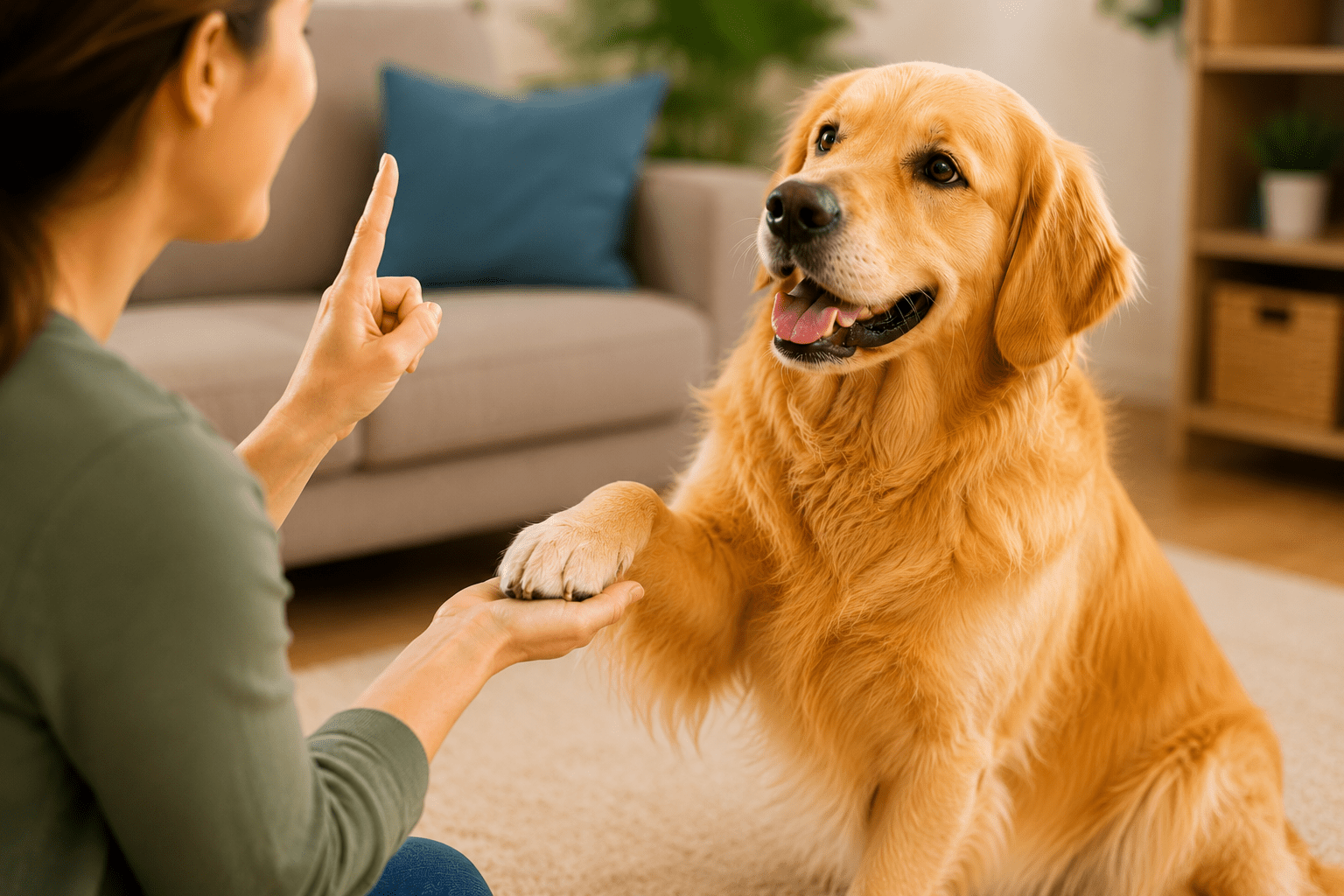
Dogs bring joy, loyalty, and companionship into our lives, but even the most lovable pets can develop frustrating habits. Excessive barking, chewing furniture, leash pulling, jumping on guests, or ignoring commands are common struggles many owners face. Fortunately, effective dog training and behavior solutions can help transform these challenges into positive learning experiences for both dogs and their owners.
Modern dog training focuses on understanding the root cause of unwanted behavior rather than relying on punishment or dominance techniques. Dogs thrive when they receive mental stimulation, consistent guidance, and positive reinforcement. With the right approach, owners can improve communication, strengthen trust, and encourage long-term behavioral improvements.
Many behavior problems develop because dogs feel bored, anxious, overstimulated, or confused. Without proper guidance, these issues may become deeply ingrained over time. However, using science-based dog training and behavior solutions allows owners to redirect unwanted habits while helping dogs become calmer, more obedient, and mentally engaged.
Whether you have a new puppy or an older dog with established behavior problems, the right training methods can make a dramatic difference. Consistency, patience, and mental enrichment play a major role in creating a well-behaved and happy companion.
Understanding the Root Cause of Dog Behavior Problems
One of the biggest mistakes dog owners make is trying to stop bad behavior without understanding why it happens. Effective dog training and behavior solutions begin by identifying the underlying cause of the issue. Dogs do not bark, chew, or dig simply to annoy their owners. Most unwanted behaviors are connected to unmet physical or emotional needs.
For example, excessive barking may result from boredom, fear, separation anxiety, or lack of stimulation. Destructive chewing often occurs when dogs have too much energy and not enough mental engagement. Leash pulling can happen because a dog becomes overly excited during walks or has never learned proper walking behavior. By addressing the source of the problem, training becomes far more effective.
Mental stimulation is another critical factor in canine behavior. Intelligent dogs require activities that challenge their minds and encourage focus. Puzzle games, scent work, obedience exercises, and interactive tasks can help reduce stress and improve learning ability. Many professional trainers recommend combining mental enrichment with positive reinforcement to achieve faster and more reliable results.
Consistent communication also strengthens the bond between dogs and owners. Clear commands, rewards for desired behavior, and structured routines help dogs understand expectations. When owners remain calm and patient during training, dogs become more confident and responsive over time. This balanced approach is why modern dog training and behavior solutions continue to gain popularity among professional trainers and pet owners alike.
Positive Reinforcement Creates Better Results
Positive reinforcement training focuses on rewarding good behavior instead of punishing mistakes. This method encourages dogs to repeat desired actions because they associate training with positive experiences. Many experts consider reward-based dog training and behavior solutions safer, more humane, and more effective than outdated dominance-based techniques.
Treats, praise, toys, and affection can all serve as rewards during training sessions. For example, if a dog sits calmly instead of jumping on visitors, rewarding that calm behavior teaches the dog what is expected. Over time, the dog naturally chooses the rewarded behavior more often.
Short and engaging training sessions are usually more successful than long repetitive drills. Dogs learn best when training feels enjoyable and mentally stimulating. Simple activities such as recall games, focus exercises, and impulse control training can greatly improve obedience while reducing frustration for both the owner and the dog.
Another advantage of positive reinforcement is that it builds trust. Harsh corrections can increase anxiety or fear, especially in sensitive dogs. In contrast, force-free dog training and behavior solutions help dogs feel secure while encouraging confidence and cooperation. This creates a stronger relationship between pets and their owners.
Training should also remain consistent across all family members. Mixed signals can confuse dogs and slow progress. If one person allows jumping on furniture while another discourages it, the dog may struggle to understand the rules. Consistency helps reinforce learning and creates clearer communication throughout the training process.
Mental Stimulation and Brain Training for Dogs
Mental exercise is just as important as physical activity for dogs. Many behavior problems improve significantly when dogs receive proper cognitive stimulation. Modern dog training and behavior solutions often include brain games and interactive exercises designed to challenge a dog’s thinking ability.
Dogs are naturally curious and intelligent animals. When their minds are under-stimulated, they may develop destructive habits such as chewing, barking, digging, or hyperactivity. Brain training activities redirect that energy into productive learning experiences. Puzzle toys, scent games, hide-and-seek exercises, and obedience challenges can all help keep dogs mentally engaged.
Interactive training games also improve focus and patience. Activities that encourage dogs to wait, follow instructions, or solve simple problems strengthen impulse control. These exercises can be especially helpful for high-energy breeds or dogs struggling with overexcitement and reactivity.
Mental stimulation also supports emotional well-being. Dogs that feel mentally fulfilled are often calmer and more relaxed at home. They become more responsive to commands and less likely to engage in attention-seeking behaviors. This is one reason why many trainers include enrichment activities as part of comprehensive dog training and behavior solutions.
Owners do not need expensive equipment to begin brain training. Simple games using treats, toys, or household objects can provide excellent mental stimulation. Even a few minutes of focused engagement each day can improve behavior and strengthen the relationship between dogs and their owners.
Building a Well-Behaved and Happy Dog
Creating a well-behaved dog requires more than teaching basic commands. Successful dog training and behavior solutions focus on long-term communication, trust, and emotional balance. Dogs thrive when they feel secure, mentally stimulated, and clearly guided by their owners.
Routine plays an important role in behavioral success. Consistent feeding schedules, regular exercise, and structured training sessions help dogs feel more stable and confident. Predictable routines can also reduce anxiety-related behaviors and improve overall obedience.
Socialization is another key component of healthy canine behavior. Dogs exposed to different environments, sounds, people, and animals at an early age often become more adaptable and less fearful. Gradual positive experiences help build confidence and reduce stress in unfamiliar situations.
Patience is essential during the training process. Behavioral improvement rarely happens overnight, especially for dogs with deeply ingrained habits. Owners who remain calm, consistent, and encouraging usually see the best long-term results. Every dog learns at a different pace, and steady progress is more important than perfection.
A Smarter Way to Improve Your Dog’s Behavior
Many dog owners struggle for months or even years trying to correct barking, chewing, leash pulling, anxiety, or poor obedience. The good news is that lasting improvement is possible when training focuses on mental stimulation, positive reinforcement, and understanding how dogs naturally learn.
Modern dog training and behavior solutions are no longer based on fear or punishment. Instead, they encourage dogs to think, focus, and respond calmly through engaging activities and structured exercises. This approach not only improves obedience but also strengthens the bond between dogs and their owners.
Programs that combine brain games, impulse control exercises, and force-free training methods can help dogs become more attentive, confident, and easier to manage in everyday life. Many owners notice significant behavioral improvements once their dogs begin receiving the mental stimulation they truly need.
If you are looking for a step-by-step system designed to improve obedience, reduce problem behaviors, and unlock your dog’s hidden intelligence, the Brain Training For Dogs program has become a popular choice among dog owners worldwide.