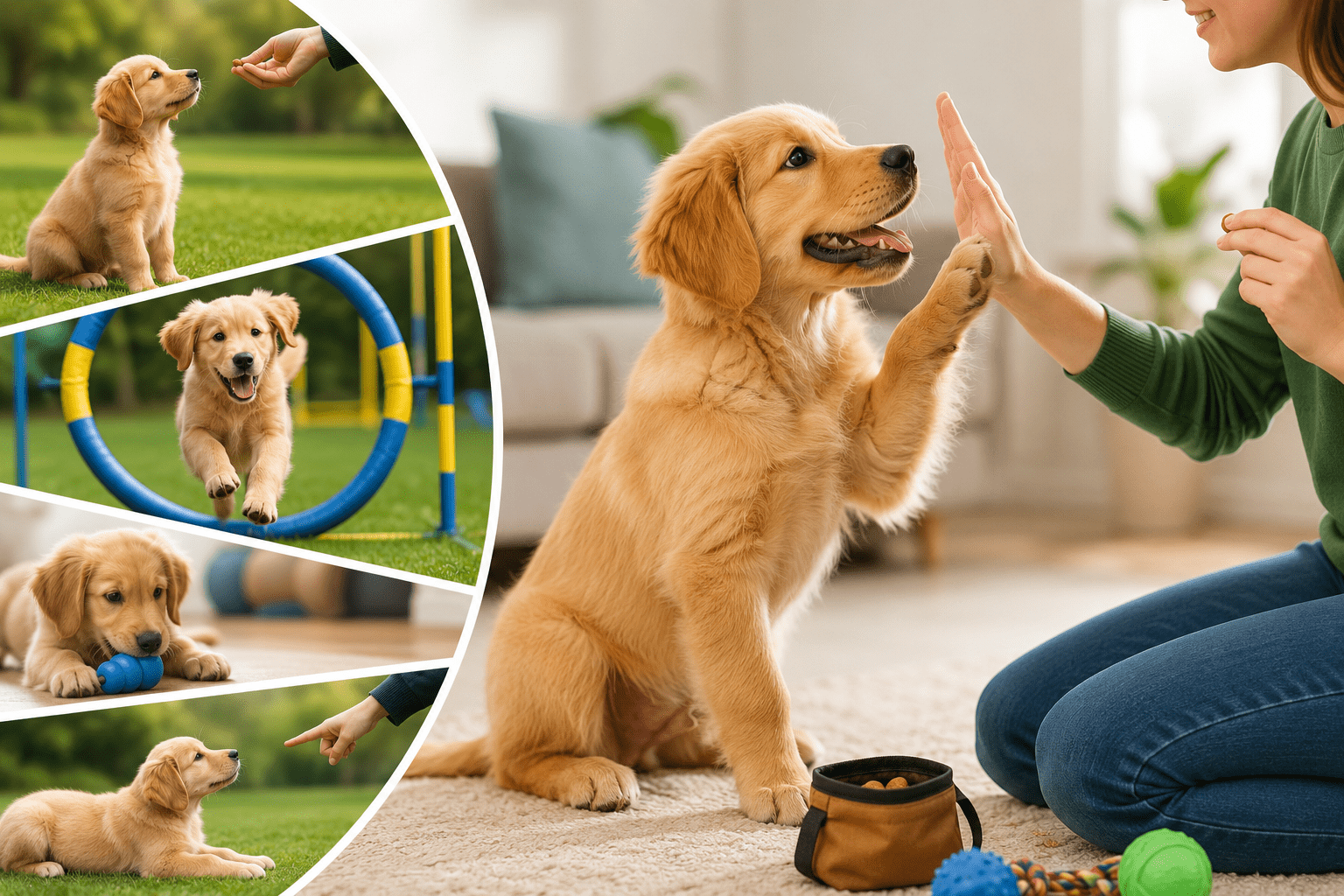
Training a dog does not always need to be complicated or stressful. Many owners think they need expensive lessons or strict routines before their pets can learn good behavior. In reality, starting with easy tricks to teach dogs can make training more enjoyable for both the owner and the dog. Simple activities create trust, improve communication, and help dogs stay mentally active every day.
Dogs naturally enjoy learning when training sessions feel rewarding and fun. Short lessons with positive reinforcement often work better than long sessions filled with repetition. Whether you have a playful puppy or an older dog that needs stimulation, using easy tricks to teach dogs can improve obedience while reducing boredom and unwanted behaviors at home.
Many behavior problems come from a lack of mental engagement. Barking, chewing furniture, digging, or jumping on guests often happen because dogs have excess energy and no structured activities. Teaching tricks gives dogs a productive outlet while helping them focus on commands and routines. This is one reason professional trainers frequently recommend brain-based games and interactive exercises during daily training.
The good news is that you do not need professional experience to begin. With patience, consistency, and rewards, almost anyone can successfully teach basic tricks at home. The key is to keep sessions positive, use clear commands, and celebrate small improvements along the way.
Why Simple Dog Tricks Matter More Than Most Owners Realize
Many people see tricks as entertainment, but they actually play a major role in canine development. Using easy tricks to teach dogs strengthens communication between dogs and owners. Every successful command teaches the dog to pay attention, follow guidance, and stay mentally engaged during training sessions.
Mental stimulation is just as important as physical exercise. A dog that walks daily may still become frustrated or destructive if its brain is under-stimulated. Teaching tricks encourages problem-solving and focus, which can reduce common behavioral issues. Dogs that regularly practice commands often become calmer, more responsive, and easier to manage at home.
Another important benefit is confidence building. Some dogs become anxious around new situations, loud sounds, or unfamiliar people. Learning tricks in a positive environment helps them gain confidence while associating training with rewards and praise. This creates a healthier emotional response and strengthens trust between the dog and owner.
Starting with easy tricks to teach dogs also allows owners to build consistency. Small achievements such as sitting on command or responding to hand signals create a foundation for more advanced obedience later. Even simple exercises can improve impulse control and help dogs learn patience during daily routines.
Best Beginner Tricks That Dogs Can Learn Quickly
One of the easiest commands to start with is “sit.” This basic behavior teaches focus and patience while introducing the dog to reward-based learning. Hold a treat slightly above the dog’s nose and slowly move it backward. As the dog naturally lowers into a sitting position, reward immediately and repeat the command consistently.
Another popular option among easy tricks to teach dogs is “shake hands.” This trick is simple, interactive, and enjoyable for many dogs. Once the dog is comfortable sitting, gently lift one paw while saying the command. Reward every successful attempt until the dog begins offering the paw voluntarily.
“Roll over” is another trick that helps improve flexibility and coordination. Begin with the dog lying down, then guide the movement using a treat. Some dogs may take longer to learn this behavior, so patience is important. Short and encouraging sessions usually produce better results than forcing repeated attempts.
Teaching “stay” can also improve safety and obedience. Dogs that understand this command are easier to control during walks, at the door, or around distractions. Start with very short distances and gradually increase the duration. Many trainers recommend combining verbal commands with hand signals to strengthen understanding and consistency.
Common Training Mistakes That Slow Down Progress
One of the biggest mistakes owners make when practicing easy tricks to teach dogs is expecting immediate perfection. Dogs learn through repetition and timing, not pressure. Becoming frustrated too quickly can confuse the dog and make training less effective. Consistency matters far more than speed.
Long training sessions are another common problem. Dogs, especially puppies, have short attention spans. Ten minutes of focused practice is usually more effective than an hour of repetitive commands. Ending sessions on a positive note helps dogs stay excited for future learning opportunities.
Many owners accidentally reward bad behavior without realizing it. For example, giving attention to barking or jumping can reinforce those actions. During training, rewards should only happen after the desired behavior is completed. Clear timing helps dogs understand exactly what action earned the treat or praise.
Another issue is relying only on verbal commands. Dogs often respond better when visual signals are combined with spoken cues. Hand gestures improve communication and make it easier for dogs to recognize patterns during learning. This approach is especially useful when introducing easy tricks to teach dogs in distracting environments.
How to Make Dog Training Fun and Effective Every Day
Creating a routine is one of the best ways to improve training success. Dogs learn faster when sessions happen consistently at similar times each day. Even five to ten minutes of daily practice can produce impressive improvements over time. Consistency builds habits that eventually become natural behaviors.
Rewards also play an important role in motivation. Some dogs respond best to treats, while others prefer toys, praise, or physical affection. Finding what excites your dog most can dramatically improve focus and participation during training sessions. Positive reinforcement creates enthusiasm instead of fear.
Interactive games can make easy tricks to teach dogs even more engaging. Hide-and-seek, target training, and simple obstacle activities stimulate both the mind and body. These exercises prevent boredom while encouraging dogs to think independently and respond to commands more confidently.
Most importantly, training should strengthen the relationship between you and your dog. Dogs learn best when they feel safe, encouraged, and connected to their owners. Small daily victories eventually build lasting obedience, better communication, and a happier home environment. By starting with simple tricks and positive methods, any owner can help their dog become more responsive, confident, and enjoyable to live with.
Take Your Dog’s Learning to the Next Level
Once your dog has mastered a few basic commands, you may notice something surprising. Training becomes easier, your dog pays more attention, and unwanted behaviors start fading naturally. That is because mental stimulation plays a huge role in shaping obedience, confidence, and overall behavior. Many professional trainers believe that dogs learn faster when training feels like a game instead of a chore.
While practicing easy tricks to teach dogs at home is a great start, some owners eventually want a more structured system that includes step-by-step brain games, obedience exercises, and behavior improvement techniques. Advanced mental stimulation activities can help dogs stay focused, reduce boredom, and become more responsive in everyday situations.
Programs that combine positive reinforcement with interactive brain training are especially useful for owners dealing with barking, chewing, pulling on the leash, or hyperactivity. These systems often include games designed to improve patience, impulse control, confidence, and communication between dogs and owners.
If you want to explore a complete dog training program that focuses on intelligence-building exercises and force-free techniques, you can check out the resource below.