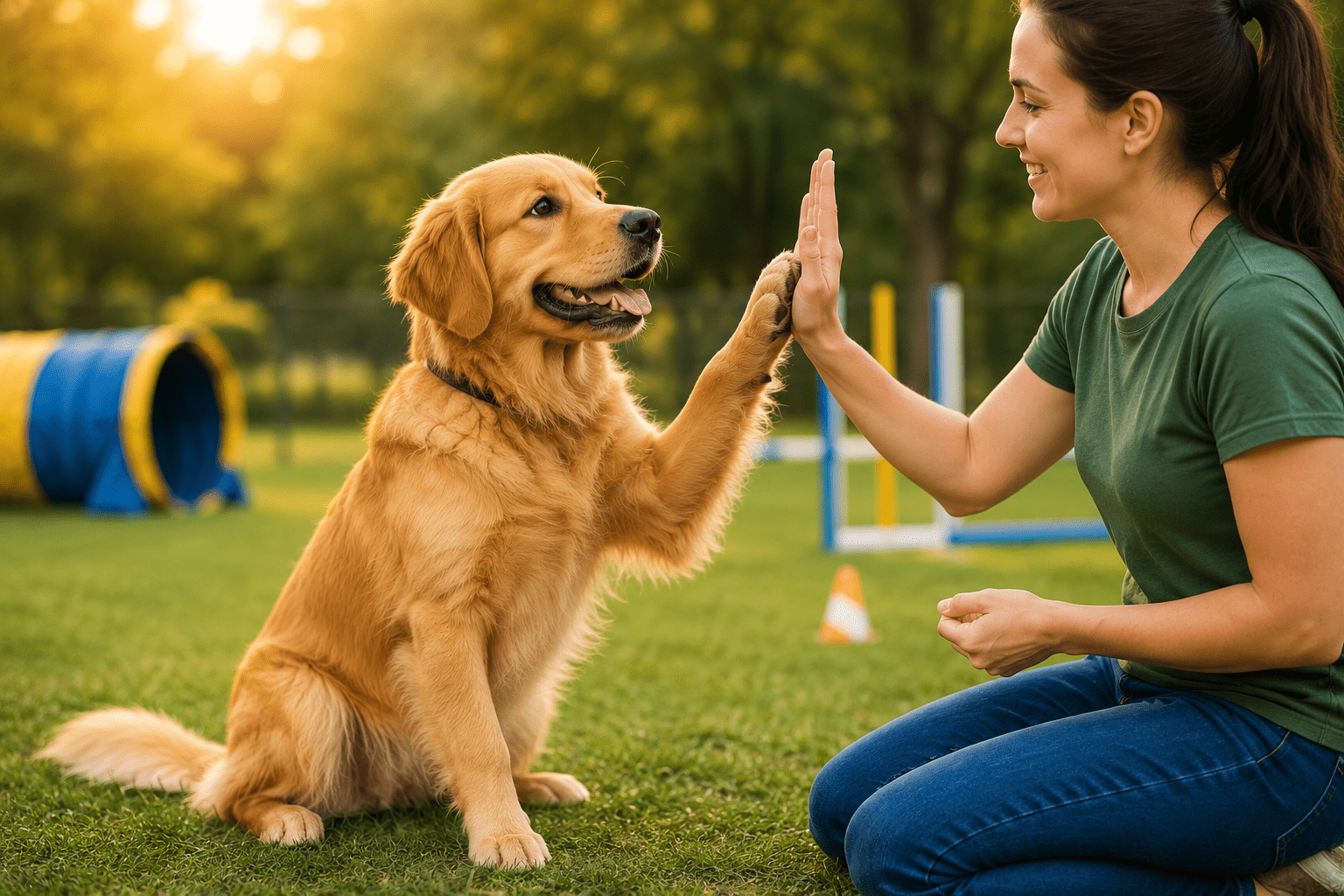
Training a dog is one of the most important responsibilities for every pet owner. A well-trained dog is easier to manage, more confident, and safer around people and other animals. However, many owners struggle to find methods that are both effective and gentle. This is why many people begin searching for good choice dog training programs that focus on positive reinforcement, mental stimulation, and long-term behavioral improvement.
Dogs do not respond well to fear-based techniques or outdated dominance methods. Modern training approaches focus more on communication, consistency, and emotional connection. A good choice dog training system should help dogs understand commands while strengthening trust between the dog and owner. When training becomes enjoyable, dogs are more willing to learn and participate.
Behavior problems such as excessive barking, chewing, digging, leash pulling, or jumping often happen because dogs feel bored, anxious, or mentally under-stimulated. Many owners try to correct these issues with punishment alone, but this rarely solves the root cause. Instead, training programs that encourage problem-solving and brain engagement tend to produce better long-term results.
The good news is that almost any dog can improve with the right approach. Whether you own a puppy or an older dog, choosing the right training methods can dramatically improve obedience and daily behavior. With patience and consistency, dogs can become calmer, more responsive, and more enjoyable companions.
Why Positive Reinforcement Is a Good Choice for Dog Training
Positive reinforcement has become one of the most recommended methods among professional trainers and animal behavior experts. This approach rewards desired behaviors instead of punishing mistakes. Because of this, many owners consider positive reinforcement a good choice dog training strategy for creating lasting behavioral improvements without fear or stress.
Reward-based training helps dogs associate learning with positive experiences. Treats, praise, toys, and affection motivate dogs to repeat behaviors that lead to rewards. Over time, dogs naturally become more focused and eager to follow commands because they view training as something enjoyable rather than intimidating.
Another reason why this method is considered a good choice dog training technique is that it strengthens communication. Dogs begin to understand what owners expect from them more clearly. Instead of reacting out of confusion or anxiety, they learn to respond confidently and calmly to instructions.
Positive methods also help improve emotional health. Dogs trained with patience and encouragement often show higher confidence and reduced anxiety. This can be especially helpful for rescue dogs, nervous puppies, or pets with previous behavioral challenges. A calm and trusting environment creates better learning opportunities for dogs of all ages.
Common Dog Behavior Problems and Their Solutions
One reason many owners search for good choice dog training programs is because they are dealing with frustrating behavior problems at home. Excessive barking is one of the most common issues. Dogs may bark because of boredom, fear, excitement, or lack of stimulation. Teaching alternative behaviors and providing mental activities often reduces unnecessary barking naturally.
Chewing and destructive behavior are also frequent concerns, especially among puppies and energetic breeds. Dogs need healthy outlets for energy and curiosity. Interactive games, puzzle toys, and short training sessions can redirect destructive habits into more productive behaviors. This is why mental stimulation is often included in every good choice dog training routine.
Leash pulling is another challenge many owners face during walks. Dogs often pull because they become overstimulated or excited outdoors. Teaching loose-leash walking with rewards and patience can gradually improve control and make walks more enjoyable. Consistency is extremely important when correcting this behavior.
Some dogs also struggle with jumping on guests or ignoring commands. These problems usually develop because dogs accidentally receive attention for unwanted actions. Training that focuses on impulse control and reward timing can significantly improve obedience. A good choice dog training system teaches owners how to reinforce calm behaviors instead of reacting emotionally.
The Importance of Mental Stimulation in Dog Training
Mental exercise is just as important as physical activity for dogs. Many behavior issues develop because dogs are bored and under-stimulated mentally. This is why experienced trainers often recommend brain games and interactive learning exercises as part of a good choice dog training plan.
Dogs naturally enjoy solving problems and learning new skills. Activities such as hide-and-seek, scent games, target training, and obedience exercises challenge the brain while strengthening focus. These activities also help dogs burn mental energy, which can reduce hyperactivity and restlessness at home.
Brain-based training can improve learning speed and responsiveness. Dogs that regularly participate in mental exercises often become more attentive and eager to follow instructions. This approach works particularly well for intelligent breeds that require constant stimulation to stay balanced and happy.
Another benefit of mental stimulation is the stronger bond it creates between owners and dogs. Interactive training encourages teamwork, communication, and trust. Instead of seeing commands as pressure, dogs begin viewing training sessions as opportunities for play and connection. This emotional bond often leads to better obedience and long-term behavioral success.
How to Choose the Right Dog Training Program
Not every training program provides the same quality or philosophy. When searching for a good choice dog training solution, owners should focus on programs that use humane methods and clear step-by-step guidance. Avoid systems that rely heavily on punishment, fear, or dominance-based corrections.
A reliable training program should address the root causes of behavior problems rather than simply suppressing symptoms. Dogs bark, chew, or react for different reasons, so effective training must include personalized strategies and mental engagement. Programs that combine obedience lessons with brain stimulation often produce more balanced results.
It is also important to choose training systems created by experienced or certified professionals. Trainers with real-world experience usually provide more practical solutions and troubleshooting advice. Video demonstrations, structured lessons, and ongoing support can make the learning process easier for both dogs and owners.
Most importantly, consistency matters more than perfection. Even the best good choice dog training program requires patience and daily practice. Small improvements over time eventually lead to major behavioral changes. With the right guidance and positive methods, almost any owner can build a stronger relationship and a happier life with their dog.
Discover a Smarter Approach to Dog Training
Finding the right training method can completely change the relationship between you and your dog. When training focuses on positive reinforcement, mental stimulation, and consistency, dogs often become calmer, more obedient, and easier to manage in everyday situations. This is why many owners consider brain-based learning a good choice dog training approach for long-term behavioral improvement.
Instead of relying on punishment or outdated dominance techniques, modern dog training methods encourage dogs to think, solve problems, and stay mentally engaged. Activities that challenge your dog’s mind can help reduce boredom, improve focus, and naturally minimize unwanted behaviors like barking, chewing, jumping, or leash pulling.
Many professional trainers now recommend interactive brain games because they strengthen communication while building confidence and trust. Dogs that enjoy learning are usually more motivated to listen and respond to commands consistently. Over time, these simple exercises can create lasting improvements in obedience and behavior.
If you want to explore a structured dog training system that combines obedience lessons, brain games, and force-free techniques, you can learn more through the resource below.